1. Check the building
Inside a home or unit, the team looks through closets, cabinets, bathrooms and anything that could hold sharps.
Pickens, SC · Pickens County
Clearing out a relative's home or a storage unit in Pickens and found syringes? Call (877) 812-4220. A cleanup team can search every drawer, remove the sharps and disinfect the area.
If anyone is in danger, call 911 first. For a suicide crisis, call or text 988.
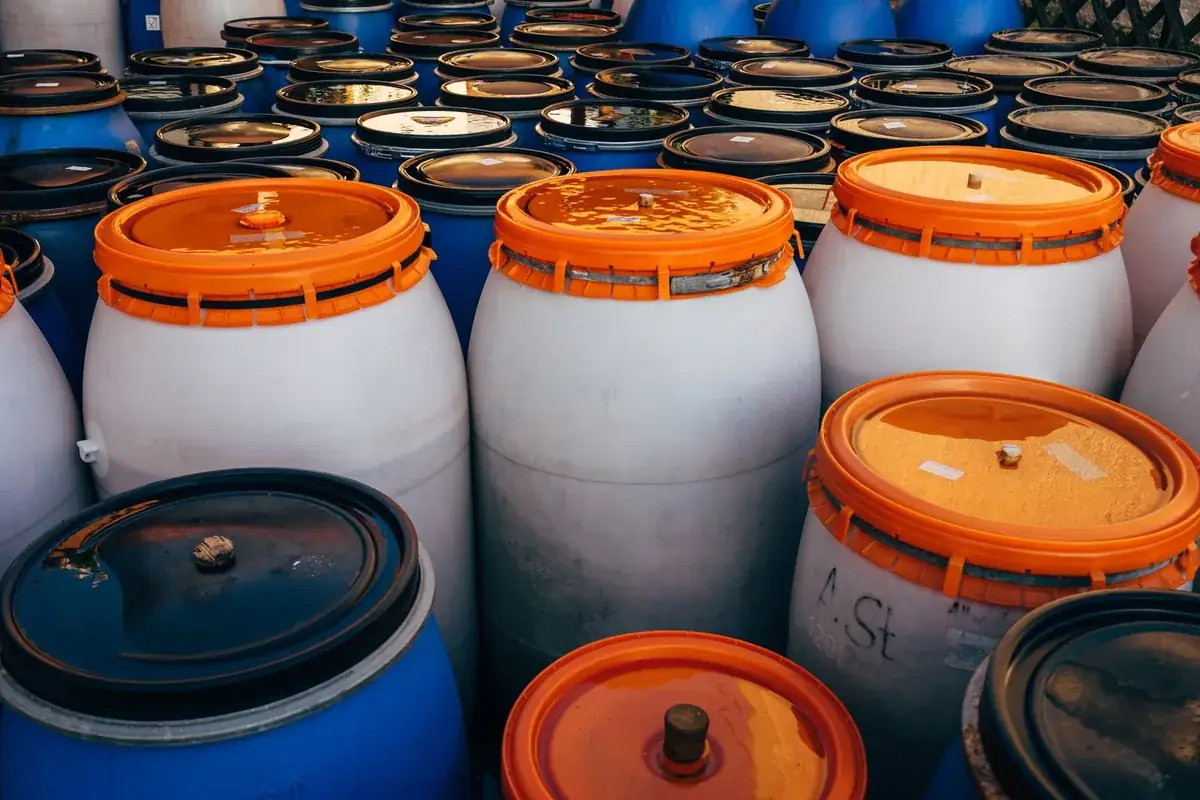
Used needle disposal means placing needles and syringes into rigid containers made to resist punctures, then sending them to a facility that treats medical waste. It keeps workers, children and pets safe.
Landlords, property managers, families and businesses in Pickens and Pickens County can get needle and sharps cleanup with help from Pickens Biohazard Cleanup Help. You get each step explained and the area left cleaned and checked.
The vacancy rate in Pickens County is only about 11%, so most needle calls come from occupied homes, rentals, yards and businesses. If anyone is stuck by a needle, the nearest emergency room is Cannon Memorial Hospital in Pickens, about 4 miles from Pickens. Call 911 in an emergency.
The work often covers:
Inside a home or unit, the team looks through closets, cabinets, bathrooms and anything that could hold sharps.
Crews check under rugs, inside vents, in pockets of clothes and in other spots where syringes are tucked away.
Sharps go into labeled containers without being recapped, bent or picked up by hand.
The crew removes the containers, double-checks the space and answers questions before leaving.
The cost of needle & sharps cleanup in Pickens, SC depends on the amount of material, how it is packed and how it is hauled.
Hidden spots slow the work. Cluttered rooms, dense brush and storage areas take longer to search than clear, open ground.
| Type of job | Typical range |
|---|
Estimates only, not a quote. Sources: . Price drivers include number of items, where they are found, whether a sweep of a large area is needed, waste disposal. Call (877) 812-4220 to talk through the job.
Safer options exist. Many cities and health departments have programs for found needles and may give instructions or send someone. If you are unsure, do not touch it. Leaving a needle in place and keeping others away is safer than risking a stick.
The crew searches the whole area with protective gear and tools. It collects each sharp into a puncture-resistant container, cleans surfaces where sharps lay, and hauls the sealed containers away. A final walk checks that nothing was missed, and the team can provide a record.
Do not go in to look. Report it to the owner, the local health department or a cleanup team. A team can sweep the whole building in protective gear, remove the sharps and give the owner a record of the work.
Lease terms and local law decide. A landlord, an attorney or a tenant rights group can say who is responsible. In many cases the property owner books the sweep first so the unit can be used again, and the cost is sorted out afterward.
Loose needles should not go in household trash, because they can stab sanitation workers. Rules for small amounts of household sharps vary by city and county. The local health department can say what is allowed, and a cleanup team can take larger amounts.
Yes. Dogs and cats may sniff, chew or step on sharps. Keep pets away from the area until a cleanup team has searched it. If a pet is stuck or swallowed something, call a veterinarian right away.
Crews work without judgment and focus on making the space safe again.
Call (877) 812-4220